The Basics for Everyday Driving
What’s a ZEV?
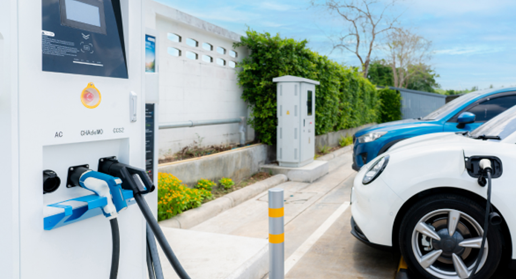
ZEV stands for ‘Zero Emission Vehicle’, and includes:
- Electric Vehicles (EVs)
- Plug-in Hybrids (PHEVs)
- Hydrogen Vehicles

We’ll mainly be discussing EVs with some discussion of PHEVs and not hydrogen as it remains a relatively difficult fuel to obtain, especially in remote and northern areas.
ZEVs decrease, or in the case of EVs, eliminate our reliance on fossil fuels for transportation. They also reduce or eliminate our greenhouse gas emissions and improve our air quality.
How do EVs work?
EVs work pretty much the same as gas cars, they’re just fueled differently.
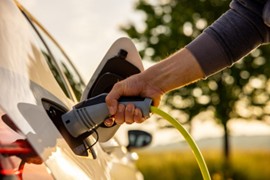
In some ways, they’re more convenient than gas cars because generally, people charge them up at night or other times when they’re not using them rather than having to stop and fuel them up as you would with a gas car. The exception to this is for long trips, when you need to stop at a fast charger to fuel up.
Why would I want an EV?
There are several reasons people choose to buy an EV. For some, it’s an economic decision. EVs are cheaper to fuel and maintain. Gas prices have consistently risen over time, and recent crises like the situation in the Strait of Hormuz don’t help.

BC has among the lowest electricity prices in North America, making EVs an even more attractive choice.
For some, concern for the environment is a major motivation. EVs are better for the environment. No tailpipe means no harmful exhaust fumes.

For others, reliability is a reason to choose electric. EVs have far fewer moving parts than a gas or diesel car, so there’s less to go wrong.
Early EVs did not have much range before they’d need to be charged up. Today, most new EVs have 400+ kms of range, which is getting close to the same range as a gas car.
Some choose EVs for their performance. EVs are fast and fun to drive.

EVs cost less to maintain than gas or diesel cars because they:
- Don’t need oil changes
- Don’t need tuneups
- Have no exhaust system
- Don’t have a radiator & cooling system
- Have no transmission
- Use regenerative braking, so require fewer brake jobs
Regular maintenance for an EV is mainly checking tire pressure, filling up the washer fluid, and remembering to plug it in.
Are EVs right for me?
A major consideration to decide if an EV is right for you depends on whether you can charge at home.

If you have a driveway or garage and have access to a standard electrical outlet, generally you are good to go. If not, an EV may still be right for you if you have access to a Level 2 charger at your workplace or at a public charger near where you live or work.
If neither of those are options for you, a plug-in hybrid may be a better choice.
What about Plug-in Hybrids?
Plug-in hybrids (PHEVs) can make sense for people who aren’t quite ready to switch over to a fully electric vehicle, or who don’t have access to charging at home.
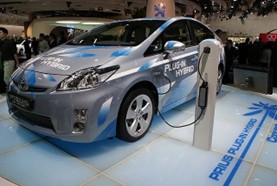
PHEVs can give you the best of both worlds. You can fuel using electricity whenever you can to reduce your fuel costs, and use gas for long trips, or when charging isn’t available.
PHEVs typically have smaller batteries than EVs, so have less electric-only range. PHEVs are more complex than EVs and have all the maintenance issues of gas cars.
This page is under construction. Check back soon for updates.